
BLOG
Trust Guidance for owners of High Drive Breeds
Welcome to The Driven Dog’s Free Resources, your page for quick, effective training tips for high-energy and working breeds. If you’re looking for expert guidance on Malinois, GSDs, Collie’s and other driven dogs, you’re in the right place. Start learning, training, and transforming your dog today.
Follow us for longer form blogs at: https://thedrivendog.substack.com/
Understanding Triggers: How to Help Your High-Drive Dog Stay Calm Outdoors
High-drive dogs are energetic, intelligent, and highly motivated — but these traits can make outdoor walks challenging. Understanding what triggers your dog is the first step to maintaining calm, safe, and enjoyable outings.
Identify Your Dog’s Triggers
Common Triggers: Other dogs, cyclists, wildlife, loud noises, unfamiliar environments.
Observe Patterns: Keep a journal of situations that cause overexcitement or reactive behavior.
Body Language Clues: Ears forward, stiff tail, focused gaze, or intense lunging can indicate a trigger.
Positive Reinforcement Techniques
Counter-Conditioning: Pair a trigger with something your dog loves, like treats or toys.
Desensitization: Gradually expose your dog to triggers at a safe distance, rewarding calm behavior.
Engagement Cues: Teach commands like “watch me” or “focus” to redirect attention from triggers.
Tips for Outdoor Calm
Start with low-distraction areas before increasing exposure.
Keep sessions short and positive.
Use rewards your dog values most to reinforce focus.
Conclusion
Understanding your dog’s triggers helps transform stressful walks into calm, enjoyable outings. Using positive reinforcement techniques ensures your high-drive dog learns focus without fear or force.
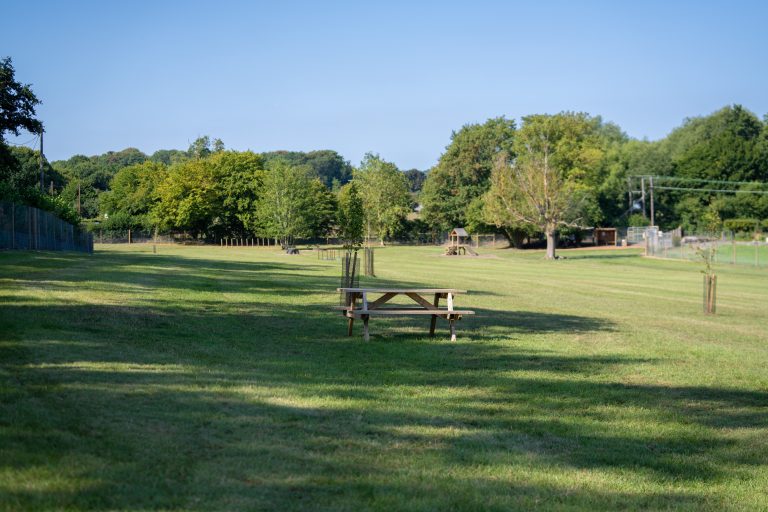
Confidence-Building Games You Can In a Secure Field
Boost your high-drive dog’s confidence with positive, engaging games in a secure field. Fun exercises to strengthen focus, obedience, and calm energy release.
High-drive dogs need outlets for both physical and mental energy. Secure fields provide a safe space to build confidence while practicing essential skills.
Obstacle Exploration:
Encourage your dog to navigate tunnels, ramps, or small hurdles.
Reward curiosity and calm engagement.
Body Language Clues: Ears forward, stiff tail, focused gaze, or intense lunging can indicate a trigger.
Hide and Seek:
Hide yourself or toys around the field.
Reinforces recall and boosts mental stimulation.
Impulse Control Games:
Use cues like “wait” or “leave it” before allowing access to treats or toys.
Builds patience and focus in high-drive dogs.
Structured Flirt Pole:
Controlled flirt pole games teach drive redirection.
Reward calm returns to owner rather than free-for-all chasing.
Why Secure Fields Work like GROW WALKIES
Provide a controlled environment free from external distractions.
Allow high-drive dogs to explore safely while building confidence.
Enable positive, reward-based training in real-time
Confidence-building games in secure fields strengthen your dog’s focus, calmness, and trust in you. With consistency, high-drive dogs learn to channel energy productively while having fun.
The Ultimate Malinois Puppy Guide (from a Trainer who understands Maligators
So you just brought home a Belgian Malinois puppy.
Congratulations, and welcome to the club of early alarms, endless energy, and the smartest four-legged shadow you’ll ever meet.
The Belgian Malinois isn’t just any dog.
This is the breed trusted by police K9 units, search-and-rescue teams, and military handlers around the world. They’re fast, loyal, intense, and brilliant — which is exactly why proper Malinois puppy training is non-negotiable.
If you want a well-behaved, confident companion instead of a land shark with opinions, this guide is for you.
Early Socialization — The #1 Must-Do
Early socialization is the foundation of every stable Malinois.
Controlled exposure to people, dogs, surfaces, sounds, and environments
Daily walks and confidence-building experiences
Rewards for calm and neutral behaviour (super important for this breed)
A socialized Malinois grows into a confident adult, not a reactive one.
Basic Obedience — Keep It Short, Clear, and Fun
Malinois puppies learn fast, but their attention spans are… explosive.
5–10 minute training sessions
Clear, consistent cues
High-value rewards they can really get excited about
Teach your Malinois puppy the essentials early: sit, down, place, recall, and leash manners.
House Training — Structure Wins Every Time
Frequent potty breaks
A predictable routine
One designated potty spot
Praise immediately after they finish
Malinois thrive with structure. House training is where that starts.
Crate Training — Their Safe Place, Not a Time-Out
Introduce the crate slowly and positively
Add comfort: bedding, safe chews, calm music
Never use the crate as punishment
A crate-trained Malinois puppy is easier to housebreak and far less likely to chew your drywall.
Mental + Physical Stimulation — Or Else… Chaos
This cannot be overstated: Malinois need to work.
A job
Training games
Fetch, tug, short obedience sessions
Multiple daily outlets for energy
A bored Malinois will create their own job… and you won’t like it.
Pro Tips for Malinois Puppy Success
Patience + consistency = everything
Make training fun — Malinois love challenge
Use positive reinforcement strategically
Set boundaries early
Need Help? To get started sign up here NOW!!
How Often Should You Train a High-Energy Working Breed? (The Truth Every Owner Needs to Hear)
What Counts as a High-Energy Working Breed?
Common examples include:
- Belgian Malinois (aka the “Maligator”)
- Border Collies
- German Shepherds
- Australian Shepherds
- Dutch Shepherds
- Other herding, guarding, or sporting breeds
These dogs weren’t bred to sit on couches. They were bred to herd sheep for hours, patrol borders, protect handlers, and solve problems. When their minds and bodies aren’t challenged, they don’t “chill”…
They invent activities — digging, chewing walls, herding kids, guarding the yard, pacing, barking, and worse.
Training isn’t optional. It’s survival.
Daily Physical Exercise: The Non-Negotiable
High-drive breeds need 1–2 hours of physical exercise every single day. Not just a walk around the block — real exercise.
Great options include:
- Brisk walks or jogs (cardio + structure)
- Off-leash play in a safe, enclosed area
- Fetch, tug, frisbee (perfect for working their prey drive in a healthy way)
- Dog sports like agility, flyball, dock diving, bikejoring
A physically drained dog is calmer, more focused, and far easier to train.
Mental Stimulation: The Secret Ingredient Owners Forget
A tired dog isn’t just exercised — they’re mentally challenged.
Your dog needs 15–30 minutes of structured mental work daily, including:
- Obedience drills
- Scent-work or find-it games
- Problem-solving training
- Puzzle toys
- Structured play that requires thinking
Remember: A dog with a busy mind is happier than a dog with a burned-out body.
How Often Should You Train? Here’s the Professional Formula
For high-energy working breeds, train:
- 10–15 minutes per session
- 2–3 times per day
- Every day
Short, consistent, focused training sessions outperform long, infrequent ones.
Why?
- High-drive dogs learn fast — and get bored just as fast
- Repetition builds confidence and skill
- Training multiple times a day reinforces habits
- Daily structure gives your dog purpose
Your dog doesn’t crave “obedience.”
They crave clarity, leadership, and mental challenge.
Rest Matters Too
Overworked dogs:
- Burn out
- Get stressed
- Develop injuries
- Become reactive or cranky
Your dog needs:
- True downtime
- Good sleep
- A quiet, comfortable rest space
A rested dog = a better-trained dog.
Final Thoughts: Structure Makes All the Difference
Training a high-energy working breed isn’t about exhausting your dog.
It’s about building a lifestyle that supports their needs:
- Daily exercise
- Daily mental stimulation
- Multiple short training sessions
- Clear, consistent structure
- Plenty of rest
Do that — and you’ll have a calm, focused, fulfilled dog who works with you, not against you.
